Social Connection in Healthy Ageing
Posted on 17/08/2026
The Importance of Social Connection in Healthy Ageing
Healthy ageing is about far more than physical wellness. While regular exercise, balanced nutrition and access to quality healthcare are essential, social connection plays an equally powerful role in helping older adults live healthier, happier and more fulfilling lives.
For many seniors, retirement brings major shifts in their social world. Adult children may move away, friends may become less mobile, and the loss of a spouse or close companion can lead to loneliness and social isolation.
At CareVita, we believe that healthy ageing means caring for the whole person — mind, body and emotional wellbeing. Creating opportunities for meaningful social connection is a vital part of that approach.
What Is Social Connection?
Social connection is the sense of belonging, closeness and community we experience through relationships with family, friends, neighbours and social groups.
For older adults, social connection may include:
-Spending time with family and friends
-Participating in group activities
-Forming new friendships
-Joining clubs or social groups
-Taking part in exercise classes
-Enjoying shared meals
-Engaging in hobbies and games
-Volunteering or contributing to the community
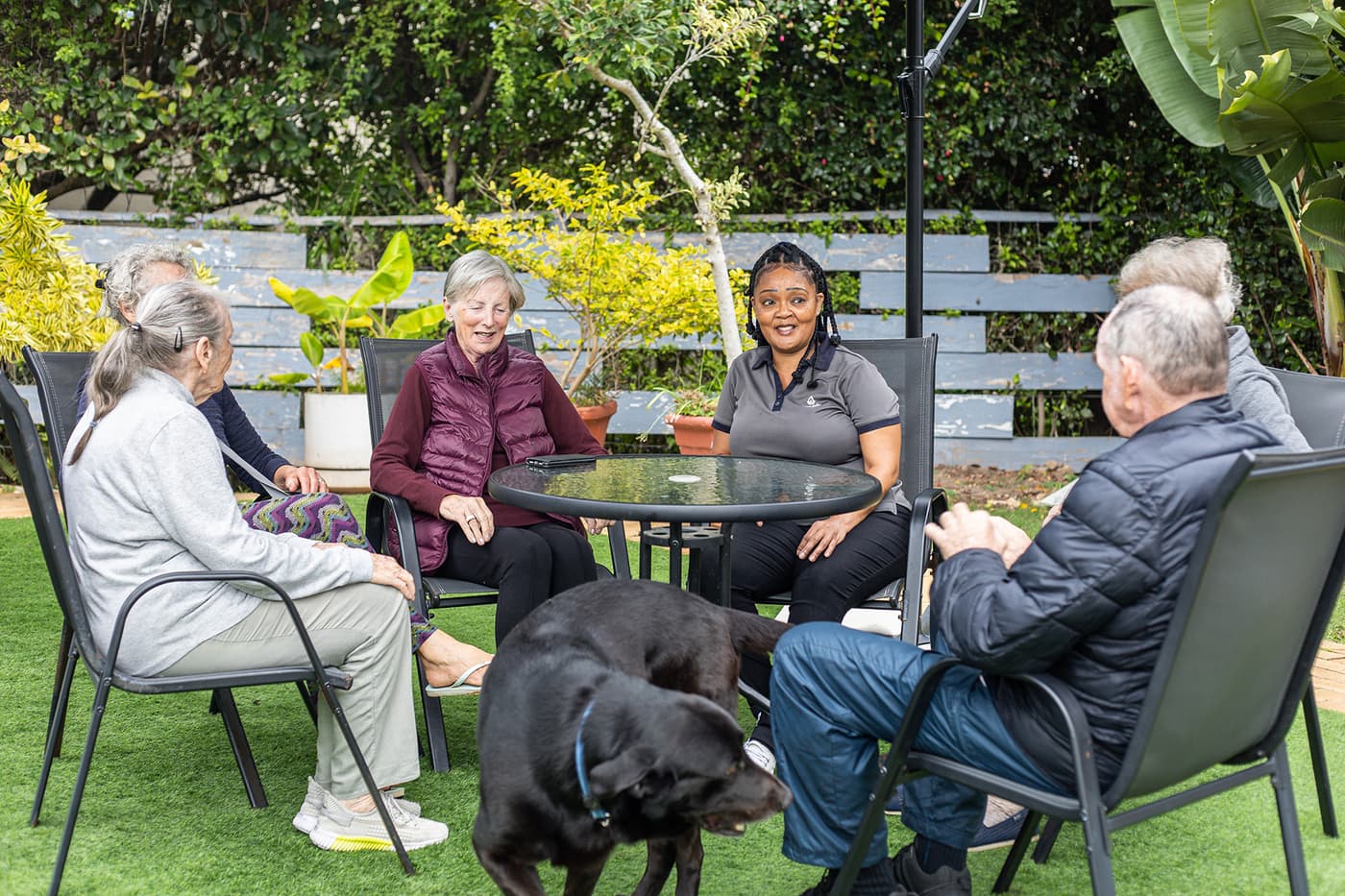
Social connection doesn’t require being surrounded by many people. Even a meaningful conversation, a shared cup of tea or participating in an activity with others can brighten a senior’s day.
The Link Between Social Connection and Healthy Ageing
Research consistently shows that strong social relationships are essential to the health and wellbeing of older adults.
The World Health Organization recognises social connection as a key pillar of healthy ageing, while loneliness and social isolation are linked to poorer physical and mental health outcomes.
Meaningful relationships support:
-Emotional wellbeing
-Mental stimulation
-A sense of purpose
-Physical activity
-Confidence and independence
-Overall quality of life
This makes social connection a core component of senior care, not just an enjoyable extra.
1. Social Connection Helps Reduce Loneliness
Loneliness can affect anyone, but older adults are particularly vulnerable due to retirement, bereavement, illness or reduced mobility.
A person can feel lonely even when others are physically present — what matters is genuine companionship and belonging.
Regular opportunities to connect help seniors feel valued, included and supported.
2. Staying Socially Active Supports Mental Wellbeing
Conversation, games, hobbies and shared experiences provide essential cognitive stimulation.
Activities such as quizzes, word games, music, crafts, card games and group discussions encourage communication, memory and interaction.
These experiences are especially valuable in retirement villages, assisted living and frail care environments, where residents can meet new people and build friendships.
3. Friendships Give Older Adults a Sense of Purpose
Having something to look forward to can transform everyday life.
A weekly exercise class, a group game, a birthday celebration or coffee with friends creates structure, anticipation and joy.
Opportunities to participate and contribute strengthen a senior’s sense of purpose and belonging.
4. Social Activities Encourage Physical Activity
Social connection and physical activity often go hand in hand.
People are more motivated to exercise when it becomes a shared experience.
Group walking, supervised senior exercise classes, dancing, stretching and other activities promote movement while fostering social interaction.
At CareVita, our senior wellbeing programmes help residents stay active, engaged and connected.
5. Community Makes Retirement More Fulfilling
A well‑designed retirement village offers older adults the chance to build relationships with people at a similar stage of life.
Instead of becoming isolated after retirement, residents can enjoy activities, develop friendships and become part of a vibrant community.
When choosing a retirement village, families should consider not only healthcare and facilities, but also the opportunities for social engagement and connection.
6. Social Connection Is Essential in Frail Care and Assisted Living
Social interaction remains important even when an older adult requires frail care, assisted living or memory care.
In fact, meaningful engagement becomes even more valuable as mobility or independence decreases.
At CareVita, activities are thoughtfully designed to support participation at different ability levels. Whether it’s a group game, music session, gentle exercise or simply spending time together, these moments bring joy, comfort and connection.
How Families Can Help Older Loved Ones Stay Connected
Families play a vital role in supporting social connection. Simple steps include:
-Scheduling regular visits or calls
-Encouraging hobbies and interests
-Including loved ones in family events
-Helping them stay connected through technology
-Supporting safe physical activity
-Exploring local senior groups and community activities
-Showing interest in their friendships and passions
Most importantly, ask your loved one what they enjoy. Social connection should be meaningful to them — not just a way to stay busy.
Creating Communities Where Seniors Can Thrive
Healthy ageing is about more than adding years to life — it’s about adding life to those years.
At CareVita, we create environments where older adults feel safe, supported and valued while enjoying meaningful relationships and daily experiences.
From retirement living and assisted living to frail care and specialised support, our focus is on recognising the individual behind the care needs.
A shared laugh, a favourite activity or a new friendship may seem small, but these everyday moments profoundly impact a senior’s quality of life.
Growing older should never mean growing disconnected.
If you would like to learn more about CareVita’s retirement living, assisted living and care services, our team is here to help you explore the best options for your loved one.
Healthy ageing is about far more than physical wellness. While regular exercise, balanced nutrition and access to quality healthcare are essential, social connection plays an equally powerful role in helping older adults live healthier, happier and more fulfilling lives.
For many seniors, retirement brings major shifts in their social world. Adult children may move away, friends may become less mobile, and the loss of a spouse or close companion can lead to loneliness and social isolation.
At CareVita, we believe that healthy ageing means caring for the whole person — mind, body and emotional wellbeing. Creating opportunities for meaningful social connection is a vital part of that approach.
What Is Social Connection?
Social connection is the sense of belonging, closeness and community we experience through relationships with family, friends, neighbours and social groups.
For older adults, social connection may include:
-Spending time with family and friends
-Participating in group activities
-Forming new friendships
-Joining clubs or social groups
-Taking part in exercise classes
-Enjoying shared meals
-Engaging in hobbies and games
-Volunteering or contributing to the community
Social connection doesn’t require being surrounded by many people. Even a meaningful conversation, a shared cup of tea or participating in an activity with others can brighten a senior’s day.
The Link Between Social Connection and Healthy Ageing
Research consistently shows that strong social relationships are essential to the health and wellbeing of older adults.
The World Health Organization recognises social connection as a key pillar of healthy ageing, while loneliness and social isolation are linked to poorer physical and mental health outcomes.
Meaningful relationships support:
-Emotional wellbeing
-Mental stimulation
-A sense of purpose
-Physical activity
-Confidence and independence
-Overall quality of life
This makes social connection a core component of senior care, not just an enjoyable extra.
1. Social Connection Helps Reduce Loneliness
Loneliness can affect anyone, but older adults are particularly vulnerable due to retirement, bereavement, illness or reduced mobility.
A person can feel lonely even when others are physically present — what matters is genuine companionship and belonging.
Regular opportunities to connect help seniors feel valued, included and supported.
2. Staying Socially Active Supports Mental Wellbeing
Conversation, games, hobbies and shared experiences provide essential cognitive stimulation.
Activities such as quizzes, word games, music, crafts, card games and group discussions encourage communication, memory and interaction.
These experiences are especially valuable in retirement villages, assisted living and frail care environments, where residents can meet new people and build friendships.
3. Friendships Give Older Adults a Sense of Purpose
Having something to look forward to can transform everyday life.
A weekly exercise class, a group game, a birthday celebration or coffee with friends creates structure, anticipation and joy.
Opportunities to participate and contribute strengthen a senior’s sense of purpose and belonging.
4. Social Activities Encourage Physical Activity
Social connection and physical activity often go hand in hand.
People are more motivated to exercise when it becomes a shared experience.
Group walking, supervised senior exercise classes, dancing, stretching and other activities promote movement while fostering social interaction.
At CareVita, our senior wellbeing programmes help residents stay active, engaged and connected.
5. Community Makes Retirement More Fulfilling
A well‑designed retirement village offers older adults the chance to build relationships with people at a similar stage of life.
Instead of becoming isolated after retirement, residents can enjoy activities, develop friendships and become part of a vibrant community.
When choosing a retirement village, families should consider not only healthcare and facilities, but also the opportunities for social engagement and connection.
6. Social Connection Is Essential in Frail Care and Assisted Living
Social interaction remains important even when an older adult requires frail care, assisted living or memory care.
In fact, meaningful engagement becomes even more valuable as mobility or independence decreases.
At CareVita, activities are thoughtfully designed to support participation at different ability levels. Whether it’s a group game, music session, gentle exercise or simply spending time together, these moments bring joy, comfort and connection.
How Families Can Help Older Loved Ones Stay Connected
Families play a vital role in supporting social connection. Simple steps include:
-Scheduling regular visits or calls
-Encouraging hobbies and interests
-Including loved ones in family events
-Helping them stay connected through technology
-Supporting safe physical activity
-Exploring local senior groups and community activities
-Showing interest in their friendships and passions
Most importantly, ask your loved one what they enjoy. Social connection should be meaningful to them — not just a way to stay busy.
Creating Communities Where Seniors Can Thrive
Healthy ageing is about more than adding years to life — it’s about adding life to those years.
At CareVita, we create environments where older adults feel safe, supported and valued while enjoying meaningful relationships and daily experiences.
From retirement living and assisted living to frail care and specialised support, our focus is on recognising the individual behind the care needs.
A shared laugh, a favourite activity or a new friendship may seem small, but these everyday moments profoundly impact a senior’s quality of life.
Growing older should never mean growing disconnected.
If you would like to learn more about CareVita’s retirement living, assisted living and care services, our team is here to help you explore the best options for your loved one.