
Benefits of Home-Based Care
Posted on 05/08/2026
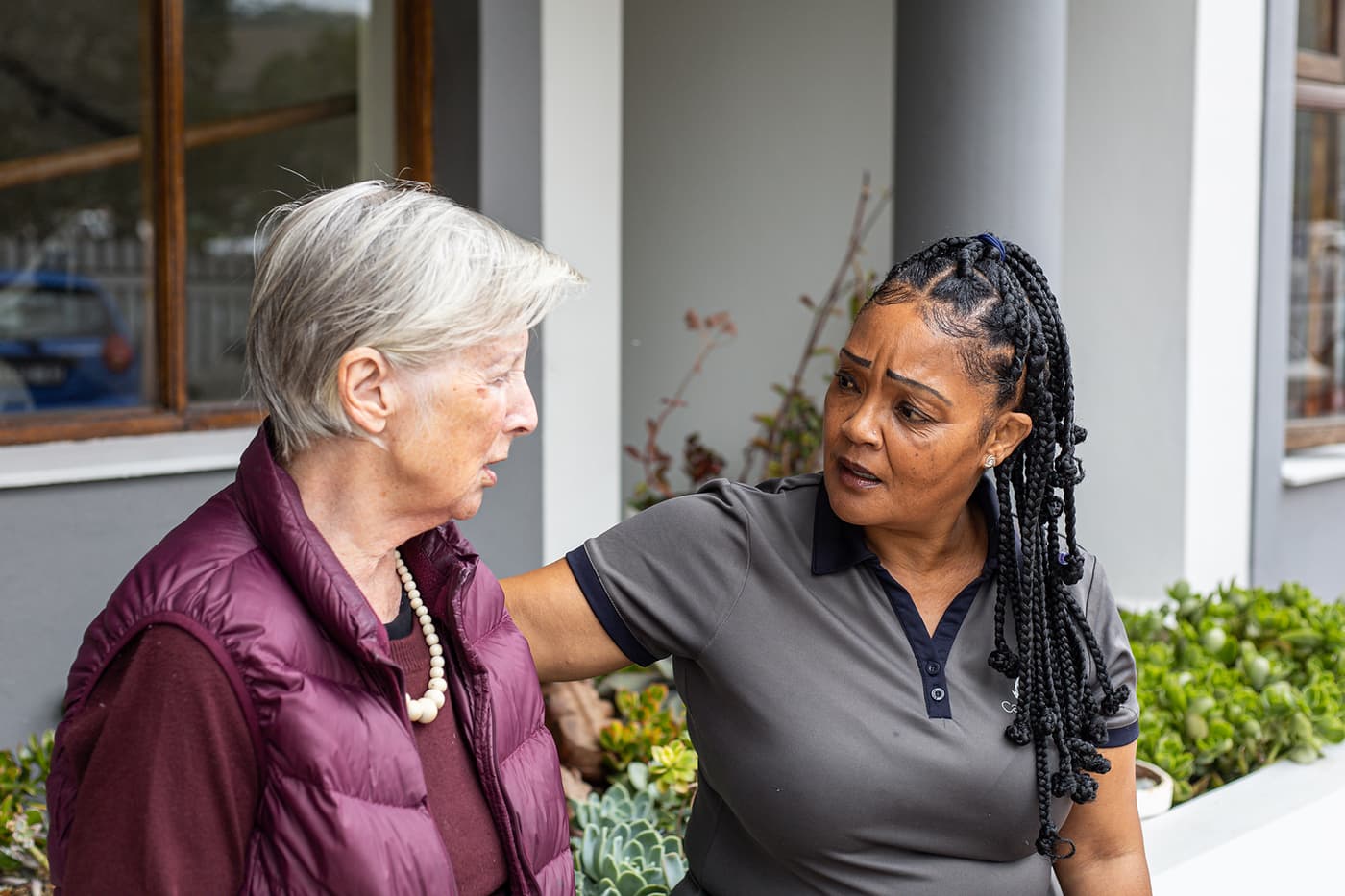
The Benefits of Home-Based Care for Seniors: Helping Older Adults Live Safely and Independently
As our loved ones grow older, families often face an important question: How can we ensure the best possible care while allowing them to remain in the comfort of their own home?
For many older adults, the answer is home-based care. Also known as care at home or in-home senior care, home-based care provides professional support that helps seniors continue living independently while receiving personalised assistance tailored to their needs.
At CareVita, we believe elderly care should be flexible, compassionate, and centred around dignity and independence. Home-based care offers exactly that — a safe, supportive solution that brings quality care directly to where seniors feel most comfortable.
What Is Home-Based Care?
Home-based care refers to professional healthcare or personal support services delivered in an individual’s own home. Depending on a person’s needs, care may range from a few hours a week to full daily assistance.
Common home-based care services include:
-Assistance with bathing and dressing
-Medication reminders
-Meal preparation
-Mobility and fall-prevention support
-Companionship
-Light housekeeping
-Transport to medical appointments
-Post-hospital recovery support
-Dementia and memory care assistance
The goal is simple: to help seniors remain safe, comfortable, and independent while receiving the support they need.
1. Remaining in Familiar Surroundings
One of the greatest benefits of home-based care is that seniors can continue living in the environment they know and love.
A familiar home offers:
-Comfort and emotional security
-Established routines
-Neighbours, pets, and treasured memories
For older adults — especially those living with dementia — staying in familiar surroundings can reduce stress, confusion, and anxiety. Research consistently shows that familiar environments support emotional wellbeing and overall quality of life.
2. Promoting Independence
Many seniors fear that accepting help means losing independence. In reality, home-based care is designed to preserve independence for as long as possible.
Professional caregivers assist only where needed, encouraging seniors to continue doing tasks they can safely manage. This person-centred approach helps maintain:
-Confidence
-Self-esteem
-A sense of control over daily life
Home-based care empowers older adults to live life on their terms.
3. Personalised, Flexible Care
Every senior has unique needs, preferences, and routines. Unlike institutional care, home-based care is fully personalised.
Care plans can be tailored for:
-Post-surgery recovery
-Chronic disease management
-Mobility support
-Companionship and social engagement
-Dementia and memory care
As needs change, care can be adjusted — ensuring the right level of support at the right time.
4. Improved Safety at Home
Falls are one of the leading causes of injury among older adults. Home-based caregivers play a vital role in reducing these risks by:
-Assisting with mobility
-Identifying hazards around the home
-Encouraging safe movement
-Monitoring health changes
-Supporting correct medication use
Early detection of health concerns can also help prevent unnecessary hospital admissions.
5. Better Emotional Wellbeing
Loneliness and social isolation are common among seniors, especially those living alone. Regular visits from a trusted caregiver provide meaningful companionship and emotional support.
Caregivers help seniors stay socially connected through:
-Conversation
-Shared activities
-Gentle encouragement
-Emotional reassurance
Maintaining social interaction is a key contributor to healthy ageing and mental wellbeing.
6. Support for Family Caregivers
Family members often juggle caregiving responsibilities with work, children, and other commitments. While caring for a loved one is rewarding, it can also be overwhelming.
Home-based care offers essential respite by helping families:
-Take regular breaks
-Protect their own health and wellbeing
-Continue working when needed
-Spend quality time with loved ones instead of focusing solely on care tasks
Professional support reduces caregiver burnout and ensures consistent, reliable care.
7. Faster Recovery After Hospitalisation
Many seniors need extra support after surgery, illness, or a hospital stay. Temporary home-based care can assist with:
-Rehabilitation exercises
-Medication management
-Wound care (where appropriate)
-Mobility assistance
-Nutrition and hydration
-Monitoring recovery progress
Recovering at home often leads to a smoother, more comfortable transition and better outcomes.
8. Peace of Mind for the Whole Family
Knowing that a qualified caregiver is regularly checking on a loved one provides invaluable reassurance. Caregivers can identify early changes in health, communicate concerns promptly, and work alongside healthcare professionals to ensure the best possible care.
Families gain confidence knowing their loved one is safe, supported, and never alone.
Is Home-Based Care Right for Your Loved One?
Home-based care may be suitable if your loved one:
-Wishes to remain at home
-Needs help with daily activities
-Lives alone
-Has had a recent fall or hospital stay
-Requires medication reminders
-Would benefit from companionship
-Needs support managing a chronic condition
A professional assessment can help determine the most appropriate level of care.
How CareVita Can Help
At CareVita, we believe ageing should be embraced with dignity, independence, and confidence. Our experienced caregivers provide compassionate, personalised home-based care that helps seniors remain safe, comfortable, and connected to the people and places they love.
Whether your loved one needs occasional assistance or more comprehensive daily support, our team will work closely with you to create a care plan tailored to their unique needs.
Contact CareVita on info@carevita.co.za today to learn how our home-based care services can help your loved one continue living safely, comfortably, and independently at home.
As our loved ones grow older, families often face an important question: How can we ensure the best possible care while allowing them to remain in the comfort of their own home?
For many older adults, the answer is home-based care. Also known as care at home or in-home senior care, home-based care provides professional support that helps seniors continue living independently while receiving personalised assistance tailored to their needs.
At CareVita, we believe elderly care should be flexible, compassionate, and centred around dignity and independence. Home-based care offers exactly that — a safe, supportive solution that brings quality care directly to where seniors feel most comfortable.
What Is Home-Based Care?
Home-based care refers to professional healthcare or personal support services delivered in an individual’s own home. Depending on a person’s needs, care may range from a few hours a week to full daily assistance.
Common home-based care services include:
-Assistance with bathing and dressing
-Medication reminders
-Meal preparation
-Mobility and fall-prevention support
-Companionship
-Light housekeeping
-Transport to medical appointments
-Post-hospital recovery support
-Dementia and memory care assistance
The goal is simple: to help seniors remain safe, comfortable, and independent while receiving the support they need.
1. Remaining in Familiar Surroundings
One of the greatest benefits of home-based care is that seniors can continue living in the environment they know and love.
A familiar home offers:
-Comfort and emotional security
-Established routines
-Neighbours, pets, and treasured memories
For older adults — especially those living with dementia — staying in familiar surroundings can reduce stress, confusion, and anxiety. Research consistently shows that familiar environments support emotional wellbeing and overall quality of life.
2. Promoting Independence
Many seniors fear that accepting help means losing independence. In reality, home-based care is designed to preserve independence for as long as possible.
Professional caregivers assist only where needed, encouraging seniors to continue doing tasks they can safely manage. This person-centred approach helps maintain:
-Confidence
-Self-esteem
-A sense of control over daily life
Home-based care empowers older adults to live life on their terms.
3. Personalised, Flexible Care
Every senior has unique needs, preferences, and routines. Unlike institutional care, home-based care is fully personalised.
Care plans can be tailored for:
-Post-surgery recovery
-Chronic disease management
-Mobility support
-Companionship and social engagement
-Dementia and memory care
As needs change, care can be adjusted — ensuring the right level of support at the right time.
4. Improved Safety at Home
Falls are one of the leading causes of injury among older adults. Home-based caregivers play a vital role in reducing these risks by:
-Assisting with mobility
-Identifying hazards around the home
-Encouraging safe movement
-Monitoring health changes
-Supporting correct medication use
Early detection of health concerns can also help prevent unnecessary hospital admissions.
5. Better Emotional Wellbeing
Loneliness and social isolation are common among seniors, especially those living alone. Regular visits from a trusted caregiver provide meaningful companionship and emotional support.
Caregivers help seniors stay socially connected through:
-Conversation
-Shared activities
-Gentle encouragement
-Emotional reassurance
Maintaining social interaction is a key contributor to healthy ageing and mental wellbeing.
6. Support for Family Caregivers
Family members often juggle caregiving responsibilities with work, children, and other commitments. While caring for a loved one is rewarding, it can also be overwhelming.
Home-based care offers essential respite by helping families:
-Take regular breaks
-Protect their own health and wellbeing
-Continue working when needed
-Spend quality time with loved ones instead of focusing solely on care tasks
Professional support reduces caregiver burnout and ensures consistent, reliable care.
7. Faster Recovery After Hospitalisation
Many seniors need extra support after surgery, illness, or a hospital stay. Temporary home-based care can assist with:
-Rehabilitation exercises
-Medication management
-Wound care (where appropriate)
-Mobility assistance
-Nutrition and hydration
-Monitoring recovery progress
Recovering at home often leads to a smoother, more comfortable transition and better outcomes.
8. Peace of Mind for the Whole Family
Knowing that a qualified caregiver is regularly checking on a loved one provides invaluable reassurance. Caregivers can identify early changes in health, communicate concerns promptly, and work alongside healthcare professionals to ensure the best possible care.
Families gain confidence knowing their loved one is safe, supported, and never alone.
Is Home-Based Care Right for Your Loved One?
Home-based care may be suitable if your loved one:
-Wishes to remain at home
-Needs help with daily activities
-Lives alone
-Has had a recent fall or hospital stay
-Requires medication reminders
-Would benefit from companionship
-Needs support managing a chronic condition
A professional assessment can help determine the most appropriate level of care.
How CareVita Can Help
At CareVita, we believe ageing should be embraced with dignity, independence, and confidence. Our experienced caregivers provide compassionate, personalised home-based care that helps seniors remain safe, comfortable, and connected to the people and places they love.
Whether your loved one needs occasional assistance or more comprehensive daily support, our team will work closely with you to create a care plan tailored to their unique needs.
Contact CareVita on info@carevita.co.za today to learn how our home-based care services can help your loved one continue living safely, comfortably, and independently at home.