7 Signs Families Should Never Ignore
Posted on 17/06/2026
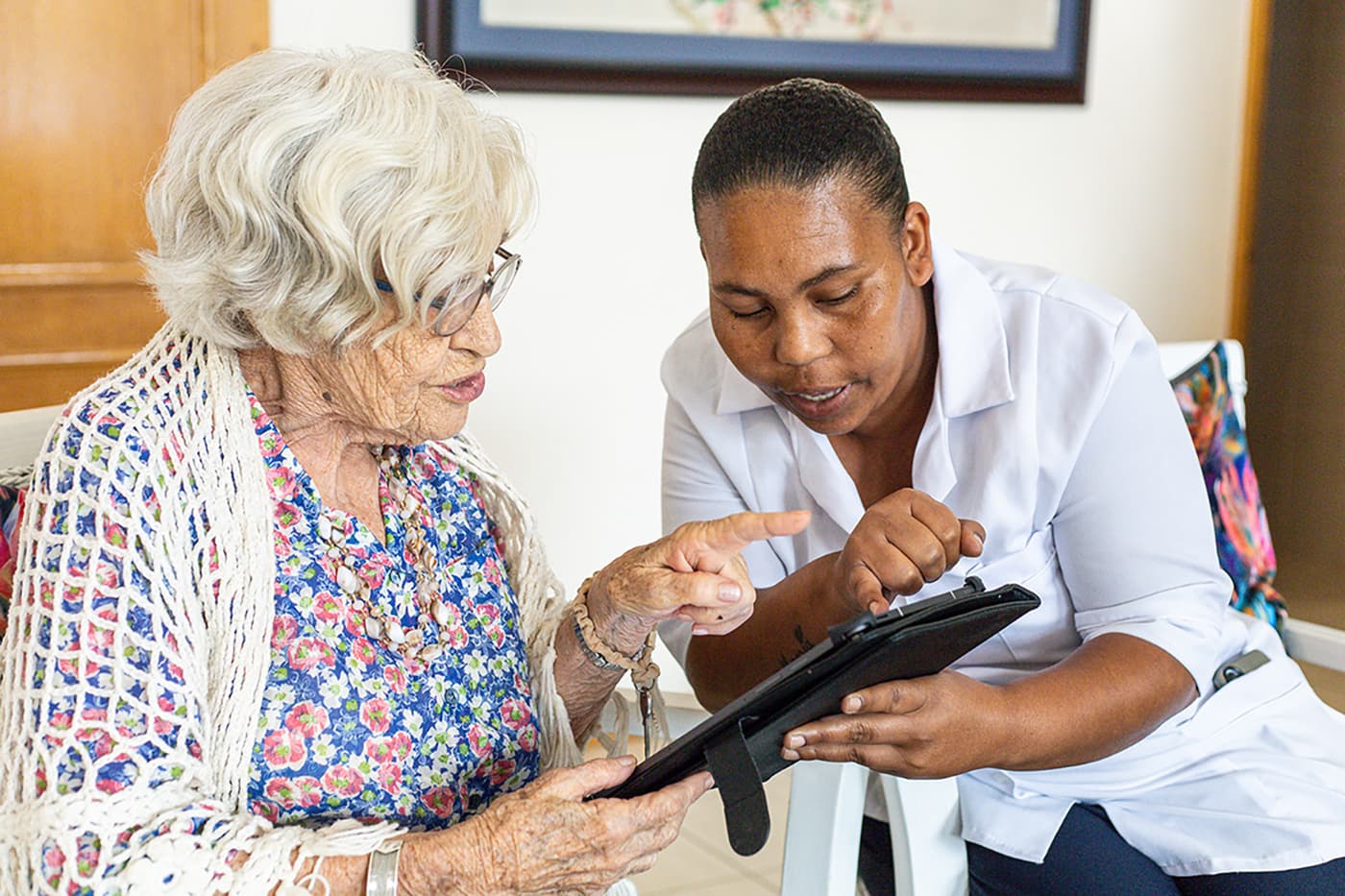
Watching a parent, grandparent, or spouse grow older is a deeply meaningful experience. While many older adults remain active and independent for years, there often comes a time when they need additional support to stay healthy, safe, and comfortable.
The challenge for families is recognising when that moment has arrived. The signs are not always obvious and often appear gradually. Understanding what to look for can help you step in early — preventing avoidable accidents, hospitalisations, or a decline in wellbeing.
1. Changes in Personal Hygiene and Appearance
A noticeable decline in personal care is often one of the earliest indicators that extra support may be needed.
You may observe:
• Wearing the same clothes repeatedly
• Poor grooming habits
• Unwashed hair
• Untrimmed nails
• Unpleasant body odour
These changes are rarely due to a lack of interest. They may stem from mobility challenges, pain, memory difficulties, or emotional factors such as depression.
2. Difficulty Managing Daily Activities
Everyday tasks — known as Activities of Daily Living (ADLs) — can become increasingly difficult with age. These include bathing, dressing, eating, mobility, and using the toilet.
Warning signs include:
• Difficulty preparing meals
• Struggling with household chores
• Forgetting to pay bills
• Missing appointments
• Trouble managing medications
When ADLs become overwhelming, the right support can help older adults remain independent while staying safe.
3. Unexplained Weight Loss or Poor Nutrition
Good nutrition is essential for healthy ageing. If a loved one is losing weight unexpectedly or has little food at home, they may be struggling to shop, cook, or eat properly.
Look out for:
• Empty cupboards or refrigerators
• Expired food
• Noticeable weight loss
• Reduced appetite
• Signs of dehydration
Poor nutrition can lead to weakness, increased fall risk, and declining health.
4. Increased Falls or Mobility Problems
Falls are one of the most serious risks for older adults. Even a minor fall can lead to significant injury or loss of confidence.
Possible warning signs:
• Unexplained bruises or injuries
• Difficulty standing up from a chair
• Holding onto furniture while walking
• Hesitation on stairs
• Reduced balance or coordination
If mobility issues are becoming more frequent, it may be time to consider professional support and a home safety assessment. 5. Memory Loss and Confusion Occasional forgetfulness is normal. Persistent confusion or memory problems, however, may signal something more serious. Signs to watch for: • Frequently misplacing important items • Missing medication doses • Getting lost in familiar places • Repeating the same questions • Difficulty completing familiar tasks Early recognition allows families to seek medical advice and appropriate support services. 6. Social Withdrawal and Isolation Loneliness is common among seniors, especially after retirement, illness, or the loss of a spouse. Social isolation can negatively affect both physical and mental health. You may notice: • Loss of interest in hobbies • Avoiding family gatherings • Spending long periods alone • Reduced communication with friends or relatives Regular social interaction is essential for emotional wellbeing and healthy ageing. 7. Changes in Mood or Behaviour Shifts in personality or behaviour can indicate underlying health concerns or emotional distress. Examples include: • Increased irritability • Anxiety • Depression • Confusion • Loss of motivation These changes should never be dismissed as “just getting older.” They may signal that additional care or support is needed. When Should Families Take Action? Many families wait until a crisis occurs before seeking help — often after a fall, hospital admission, or sudden decline. Early intervention can make a significant difference. Seeking support early can help older adults: • Maintain independence for longer • Stay safe in their own homes • Improve quality of life • Reduce stress on family caregivers • Access healthcare and support services before problems escalate Extra care is not about taking away independence. It’s about providing the right level of support so seniors can continue living with dignity, comfort, and confidence. How CareVita Can Help At CareVita, we understand that every individual’s needs are unique. Whether your loved one requires occasional assistance, home based care, healthcare support, or guidance on future care options, our team is here to walk the journey with you — with compassion, expertise, and respect. If you’re concerned about a loved one’s wellbeing, we invite you to reach out for a conversation. Early support can make a meaningful difference in maintaining health, independence, and peace of mind for the whole family.
The challenge for families is recognising when that moment has arrived. The signs are not always obvious and often appear gradually. Understanding what to look for can help you step in early — preventing avoidable accidents, hospitalisations, or a decline in wellbeing.
1. Changes in Personal Hygiene and Appearance
A noticeable decline in personal care is often one of the earliest indicators that extra support may be needed.
You may observe:
• Wearing the same clothes repeatedly
• Poor grooming habits
• Unwashed hair
• Untrimmed nails
• Unpleasant body odour
These changes are rarely due to a lack of interest. They may stem from mobility challenges, pain, memory difficulties, or emotional factors such as depression.
2. Difficulty Managing Daily Activities
Everyday tasks — known as Activities of Daily Living (ADLs) — can become increasingly difficult with age. These include bathing, dressing, eating, mobility, and using the toilet.
Warning signs include:
• Difficulty preparing meals
• Struggling with household chores
• Forgetting to pay bills
• Missing appointments
• Trouble managing medications
When ADLs become overwhelming, the right support can help older adults remain independent while staying safe.
3. Unexplained Weight Loss or Poor Nutrition
Good nutrition is essential for healthy ageing. If a loved one is losing weight unexpectedly or has little food at home, they may be struggling to shop, cook, or eat properly.
Look out for:
• Empty cupboards or refrigerators
• Expired food
• Noticeable weight loss
• Reduced appetite
• Signs of dehydration
Poor nutrition can lead to weakness, increased fall risk, and declining health.
4. Increased Falls or Mobility Problems
Falls are one of the most serious risks for older adults. Even a minor fall can lead to significant injury or loss of confidence.
Possible warning signs:
• Unexplained bruises or injuries
• Difficulty standing up from a chair
• Holding onto furniture while walking
• Hesitation on stairs
• Reduced balance or coordination
If mobility issues are becoming more frequent, it may be time to consider professional support and a home safety assessment. 5. Memory Loss and Confusion Occasional forgetfulness is normal. Persistent confusion or memory problems, however, may signal something more serious. Signs to watch for: • Frequently misplacing important items • Missing medication doses • Getting lost in familiar places • Repeating the same questions • Difficulty completing familiar tasks Early recognition allows families to seek medical advice and appropriate support services. 6. Social Withdrawal and Isolation Loneliness is common among seniors, especially after retirement, illness, or the loss of a spouse. Social isolation can negatively affect both physical and mental health. You may notice: • Loss of interest in hobbies • Avoiding family gatherings • Spending long periods alone • Reduced communication with friends or relatives Regular social interaction is essential for emotional wellbeing and healthy ageing. 7. Changes in Mood or Behaviour Shifts in personality or behaviour can indicate underlying health concerns or emotional distress. Examples include: • Increased irritability • Anxiety • Depression • Confusion • Loss of motivation These changes should never be dismissed as “just getting older.” They may signal that additional care or support is needed. When Should Families Take Action? Many families wait until a crisis occurs before seeking help — often after a fall, hospital admission, or sudden decline. Early intervention can make a significant difference. Seeking support early can help older adults: • Maintain independence for longer • Stay safe in their own homes • Improve quality of life • Reduce stress on family caregivers • Access healthcare and support services before problems escalate Extra care is not about taking away independence. It’s about providing the right level of support so seniors can continue living with dignity, comfort, and confidence. How CareVita Can Help At CareVita, we understand that every individual’s needs are unique. Whether your loved one requires occasional assistance, home based care, healthcare support, or guidance on future care options, our team is here to walk the journey with you — with compassion, expertise, and respect. If you’re concerned about a loved one’s wellbeing, we invite you to reach out for a conversation. Early support can make a meaningful difference in maintaining health, independence, and peace of mind for the whole family.